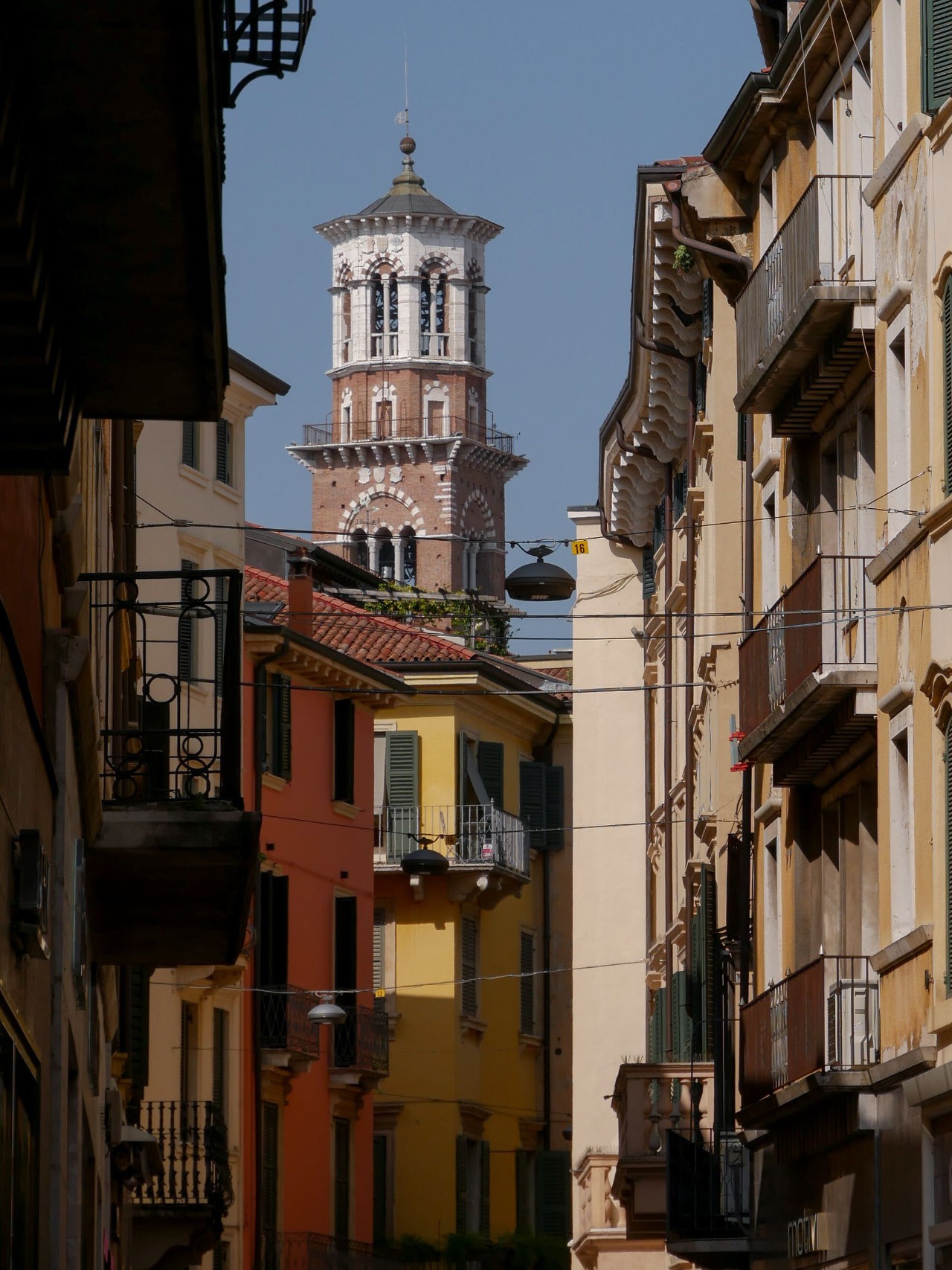
In a historic or listed building, or one without a terrace, installing an air conditioner requires considering the facade, regulations, spaces, and authorizations from the very beginning.
Airconditioninginalistedbuilding:whattocheck
The possibility of installing a system is not determined solely by the presence of a preservation constraint. It is necessary to understand which elements are protected, what works are permitted, if authorizations are needed, and which parties must be involved. Condo regulations and local standards can also impact the project.
PlanB evaluates air conditioning solutions without a visible outdoor unit, including air-to-air and water-to-air configurations when compatible with the property. The technical evaluation of the system does not replace authorization checks: every intervention must be defined with the relevant professionals and authorities.
BUILDING
Constraintsandrules
We gather available information on protection, condo rules, local requirements, and documentation.
system
Spacesandpathways
We examine the placement of the units, grilles, connections, drains, and maintenance accessibility.
Reduce the visual impact
Solutionswithoutatraditionalmotoronthefacade
If you live in a home without a terrace, have a small balcony, or if condominium regulations limit outdoor units, you can evaluate an alternative system. Even systems defined as “without an outdoor unit” may require openings or connections: it is important to know the planned works and applicable rules beforehand.
Historic center
Analysis of facades, openings, and requirements before defining the solution.
Homes without balconies
Evaluation of systems that do not require placing a motor on the terrace.
Listed buildings
Coordination of the technical proposal with the required authorization checks.
Rooms without an external view
Feasibility depends on pathways, ventilation, and product requirements.
PlanB Method
2.DesignerSupport
Information gathering
Property type, room to be cooled, known constraints, and available documents.
Comparison of technologies
Analysis of compatible options and the necessary technical or authorization deep-dives.
Technical Site Survey
Verification of spaces, systems, openings, and possible equipment placements.
Defining the intervention
The proposal and eventual installation are defined after clarifying feasibility and authorizations.
Can an air conditioner be installed in a listed building?
It depends on the type of protection, the planned works, and the necessary authorizations. The situation must be verified before starting work.
Does an air conditioner without an outdoor unit avoid facade modifications?
Not always. Some systems require external openings or grilles; others have different requirements. The model and the project must be examined.
How to air condition an apartment without a terrace?
Systems that do not require a traditional unit on the terrace can be evaluated, provided spaces and systems are compatible and rules allow it.
Can I install an air conditioner in the historic center without authorization?
It is not possible to give an answer that applies to every property. Constraints, works, regulations, and local standards determine the checks to be made.
Dedicated Technical Support
Let'sEvaluateYourProjectTogether
Describe the building and the environment to be cooled. PlanB can help you identify the technical checks necessary to understand which solutions to explore further.